Wine in music
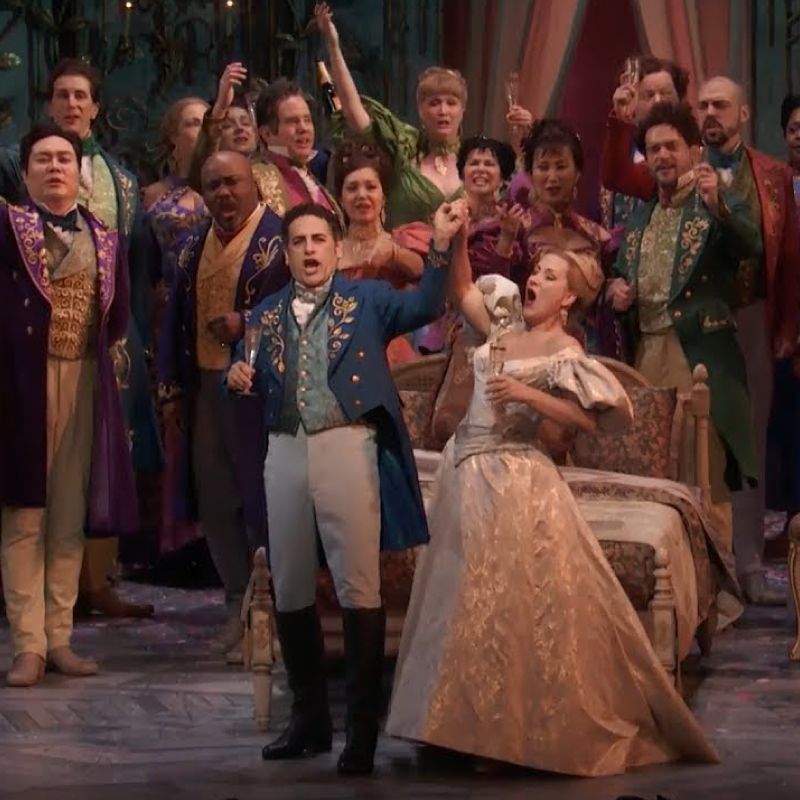
The synergy between wine and music has always fed the soul of all peoples since ancient times. During the times of the ancient Greeks, in the inns, wine was poured with the accompaniment of instrumental background music. In some pre-Christian civilizations musical instruments such as Flutes, Cetre and Lire, are used in banquets and favor the drinking of wine; in short, a magical combination that has always existed and that has always given deep and exciting sensations. But it is in the work that we find the most striking examples of the exaltation of the role of wine in the life and death of its characters. As in the famous “Don Giovanni” of 1787, composed by Wolfang Amadeus Mozart in which the excellent wine product, the Marzemino, is explicitly mentioned. The mention of this wine in the opera is certainly a testimony of how much it enjoyed particular fame and popularity at the time. Furthermore, Don Giovanni challenges the Commendatore and death itself, with a glass of wine in hand. Another toast with death in the opera, unfortunately presaging an ineluctable destiny, is that of Violetta Valery in "Traviata", 1853, by Giuseppe Verdi, with the famous "Libiamo nel lieti calici". But the work also gives us less demanding toasts such as that of "Cavalleria Rusticana", of 1890, by Pietro Mascagni, which makes his followers sing "Viva il vino spumiante, in the sparkling glass". Or, the "Barber of Seville", from 1775, by Gioacchino Rossini, a work full of references to food and wines of Italian cuisine and tradition. Even today, wine often makes its appearance in local popular music, as in Rome with a song from “La società dei magnaccioni ” where “ er vino de li Castelli” is the protagonist. Many songwriters have also celebrated wine so much, like Giorgio Gaber in “Barbera and Champagne”; Fabrizio De André in the “Old Town”; Ligabue in “Lambrusco e popcorn” and many others like Lucio Dalla, Francesco Guccini and Paolo Conte. In confirmation of this important combination, the Oxford scholars intervene who, through a research conducted on a sample of people, demonstrate the relationship between wine and music. The study made it possible to understand that there are certainly preferences in wine-music pairing and that the taste sensations, such as sweet and bitter, aroused by a wine are influenced by the music listened to. Each person gives music a personal meaning just as wine communicates messages and gives different sensations. Therefore, everyone will find their own world of perceptive and emotional stimuli in the most appropriate combination.