Wine in myth and religions
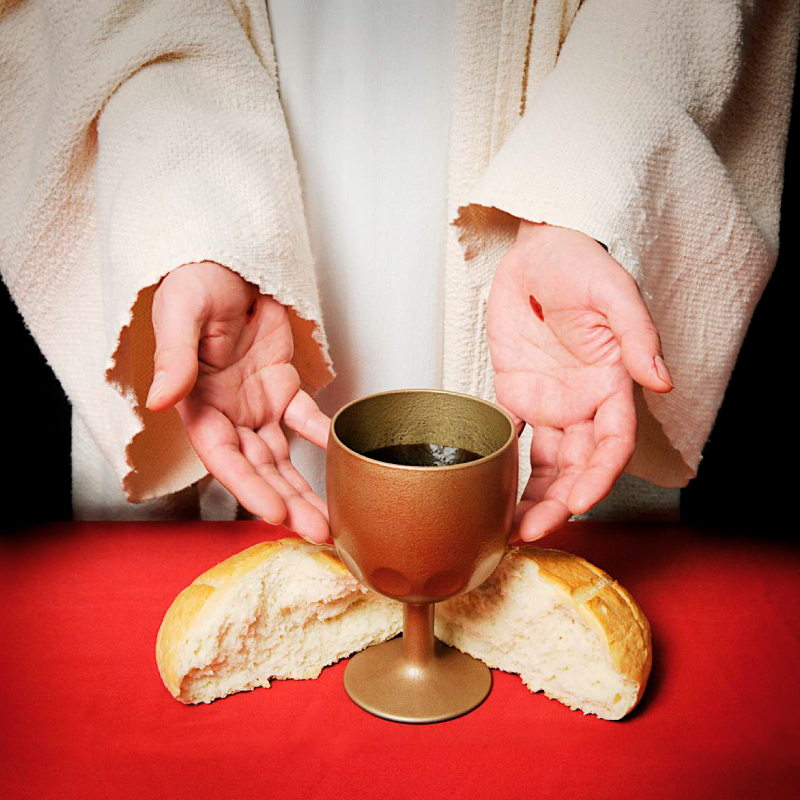
From the very beginning, wine has been associated with the irrational instinct of man and the abandonment of the senses. In Greek culture, in fact, the god linked to wine and intoxication, Dionysus, is the same divinity as the emblem of irrationality, of the unreasonable impulses of man, of the liberation of the senses. A much discussed and controversial divinity, which is, during the Roman period changed into Bacchus, embracing even more his "noisy" nature (from the Greek bacchus means noise, din) due to his eternal state of intoxication. Bacchus is the god linked to wine and to the whole winemaking process, the grape harvest in particular and, for this reason, he is often represented with a crown of vine leaves around his head and a glass of wine in his hand. In the Old Testament, wine begins to be considered the symbol of all the gifts coming from God, a drink of life that knows how to give consolation and joy and can cure human suffering. For this reason, at banquets, the chalice of wine and with it the pronunciation of the thanksgiving prayer is indispensable. The myth says that Noah would have been the first man to plant the vine and furthermore, preferably red wine, then assumes particular relevance for the celebration of the Jewish Sabbath (Shabbat). In the Bible the references to wine and to the vine are very numerous: wine is of fundamental importance, especially in the sacred rite of the mass, during the blessing, in which the last supper of Jesus is remembered. Here the wine takes on a unique role , in that it becomes the blood of Christ accompanied by the bread which represents his body. In Islam, on the other hand, unlike the previous two great monotheistic religions, wine is considered as something to be absolutely avoided. It is considered a drink that involves a state of intoxication such as to remove the faithful from his relationship with God. The faithful Muslim, according to the Koran, recites prayers at specific times and wine, an impure drink, as well as distracting him from these obligations, it would also make him an impure person, no longer able to present himself before Allah.