The Grape Harvest
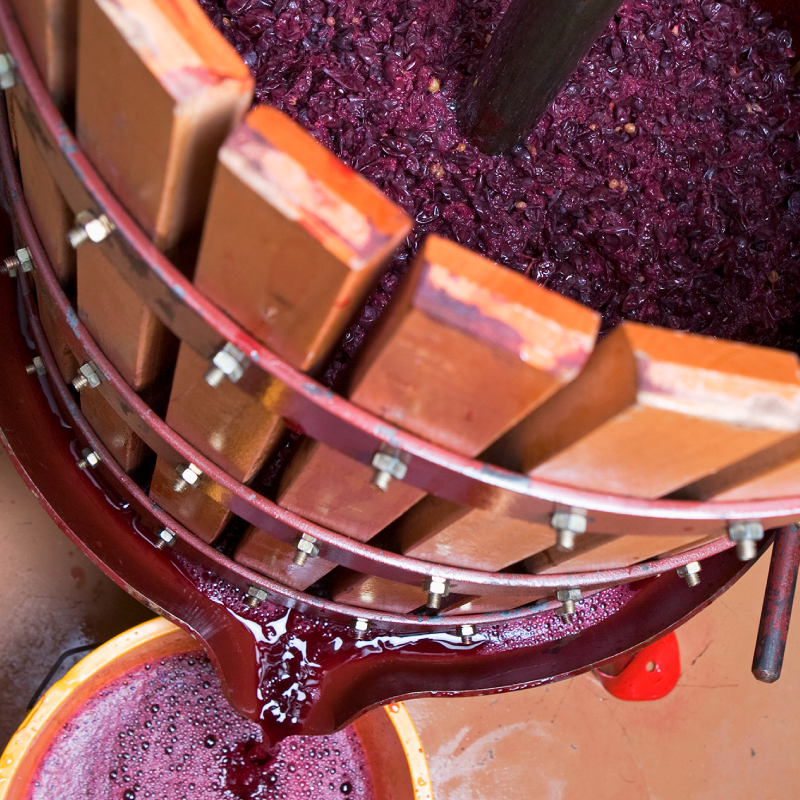
The harvesting periods are essentially three: August-September, September-October and October-November for late ripening grapes. The time of harvest may depend on the climatic conditions, the production area (south facing vineyards ripen before those facing north), type of grape (white berried grapes ripen before the red berried) and type of wine to be obtained. . During the grape harvesting phase, however, some rules must be respected: it is necessary to avoid harvesting grapes wet by rain, dew or fog, as the water could affect the quality of the must; the hottest hours of the day should be avoided to prevent unwanted fermentations from starting. The stages necessary for winemaking consist of: - first phase: harvesting of the bunches by hand or mechanically; - second phase: the grapes are transported to the premises where they will be pressed (as soon as possible in order to avoid unwanted maceration). - third phase: the pressing takes place or the bunches are conveyed with belts and augers to the destemmer, the machine that separates the grapes from the stalk; - fourth phase: the must obtained by pressing is then placed in the fermenters where the fermentation phase will begin. Subsequently, the refermentation and aging phases begin which will give rise to the most diverse wines. The substantial difference in current harvests is the use of more advanced machines and technologies than in the past, but the procedure has remained unchanged over the centuries, handed down from father to son.