The Irrigation
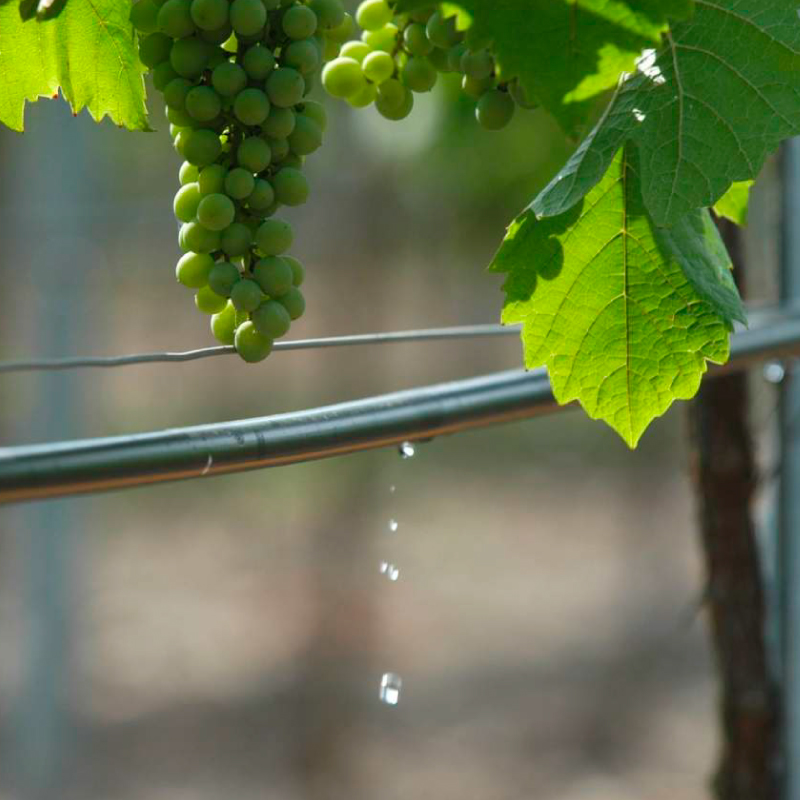
The vine is a plant with limited water needs, but it is necessary to satisfy the irrigation needs to obtain a good product. In some wine-growing areas, where rainfall and the soil do not guarantee a sufficient presence of water, it is necessary to resort to irrigation to avoid water stress. We can speak of ordinary irrigation in the event that the months that comprise the annual cycle of the vine (April-September) have very low rainfall and make regular irrigation interventions indispensable during the season; instead we speak of emergency irrigation when the rainfall in the vegetation period is overall sufficient but with a very variable frequency and it is therefore difficult to predict the time, duration and extent of any water stress. The irrigation methods used for the vine are mainly sprinkler irrigation, which does not require high planting costs, and micro-irrigation. In particular, the latter has several advantages such as the reduction of the volumes of water used, the containment of weeds, the maintenance of a constant level of humidity and the absence of soil constipation phenomena. Water is administered in moderation in order to control the water deficit and nutritional status according to the quality. It is also possible to carry out "fertigation": nutrients are administered and, given the heaviness of the table grapes, concrete poles are installed to better support the system.