The Fertilization
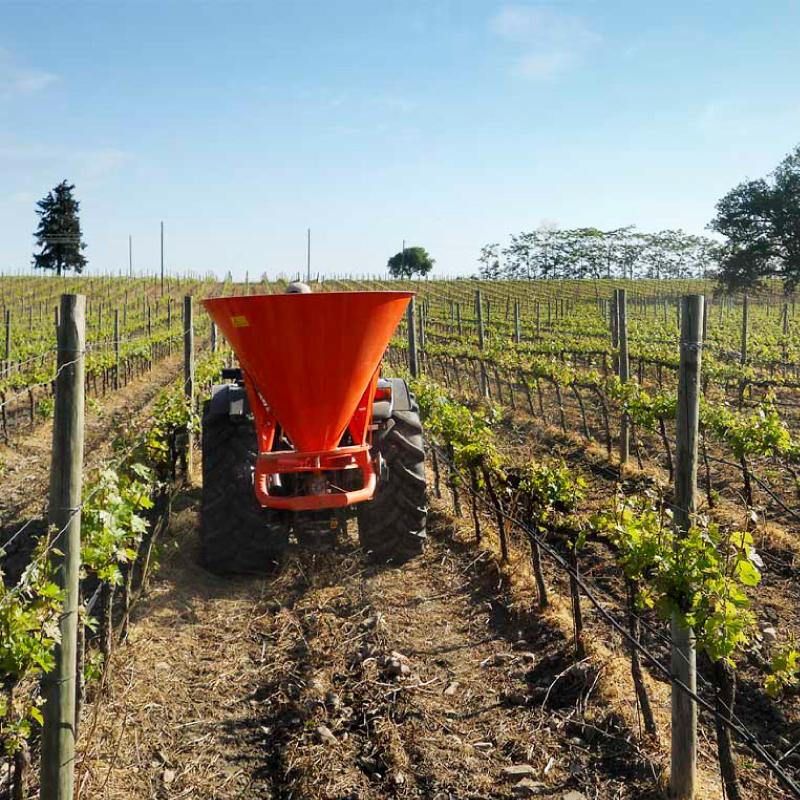
Fertilization consists in adding fertilizers to the soil, i.e. any organic or inorganic, natural or synthetic material which, due to its content in nutritional elements, contributes to the nourishment of cultivated plants or to the improvement of soil fertility. It is necessary to pay close attention to fertilization: if you exceed it in order to obtain greater production, you risk obtaining vegetative imbalances and induced nutritional deficiencies. Before planting, it is essential to carry out an analysis of the soil in order to rationally set the basic fertilization: in general, elements with poor mobility (phosphorus, potassium, magnesium) and organic matter are administered. Subsequently, the first so-called "basic fertilization" occurs, followed by the subsequent annually called "farm fertilization" and "production fertilization". The cuttings, once implanted, need to vegetate in the best possible way to reach the productive phase as soon as possible. For this reason, breeding fertilization consists in the administration of nitrogen in a localized manner. Production fertilization, on the other hand, must take into account the nutritional needs of the plant together with the information deriving from soil analyzes, foliar analyzes and a visual examination of the vegetative-productive state of the plant.