The Adversity
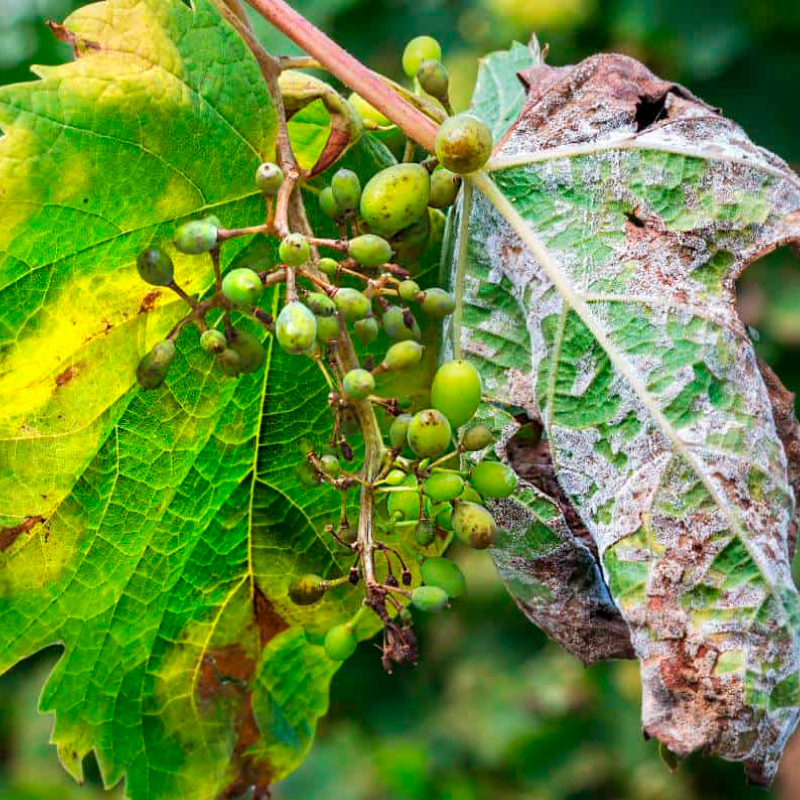
There are various types of adversities that the vine plant can encounter, and with it the grapes. We can distinguish between parasitic adversity of the vine and non-parasitic adversity of the vine. Among the parasitic adversities we find: - plant diseases induced by so-called fungi. The most important fungal diseases of the grapevine are downy mildew, powdery mildew and botrytis, to which are added bait sickness, escoriosis, root rot and black rot. - diseases deriving from animal parasites such as pests that cause damage to the fruit or the bunch and pests that damage different parts of the plant. The grape moth is among the former and the animals belonging to the phylloxera are among the latter. - diseases deriving from viruses or infectious and pathogenic entities that cause, for example, leaf curling; phytoplasmas or unicellular microorganisms that cause golden flavescence and black wood; finally, bacteria that enter the plant through natural openings or wounds. To cope with this adversity of the vine, it is necessary to take care of the plants at the initial stage of the disease, to avoid damage and injuries to the vine seedlings, thus counteracting malformations. Among the adversities of non-parasitic grapevines we find: - humidity, rain and low temperatures are a favorable condition in spring for the onset of one of the most dangerous and harmful adversities for the vine and grapes - nutritional or water deficiencies or excesses, incorrect use of pesticides or air pollutants. To protect the vine there are different types of approaches, among which we remember the struggle and the integrated protection and the biological control. The first is to use biological, biotechnical, agronomic, physical and chemical means to control the spread of the pathogen or parasite in order to avoid economic damage but at the same time respecting the environment; the second consists in the use of biological entities or molecules derived from living organisms to control the growth of pathogenic organisms or parasites and contain their harmful activity below the economic damage threshold.